
If you’re looking to complete an IPAF training course, one of the most common questions is: What’s the difference between IPAF 3A and 3B?
Both categories allow operators to use Mobile Elevating Work Platforms (MEWPs), but they cover different types of access equipment. Understanding the difference is important for choosing the right training course and ensuring you are qualified to operate the machines used on your site.
In this guide, we’ll explain the differences between IPAF 3A and 3B training, what equipment each category covers, and which course may be right for you. Get in touch with Evolve Plant Training if you have an any more questions.
What Is IPAF Training?
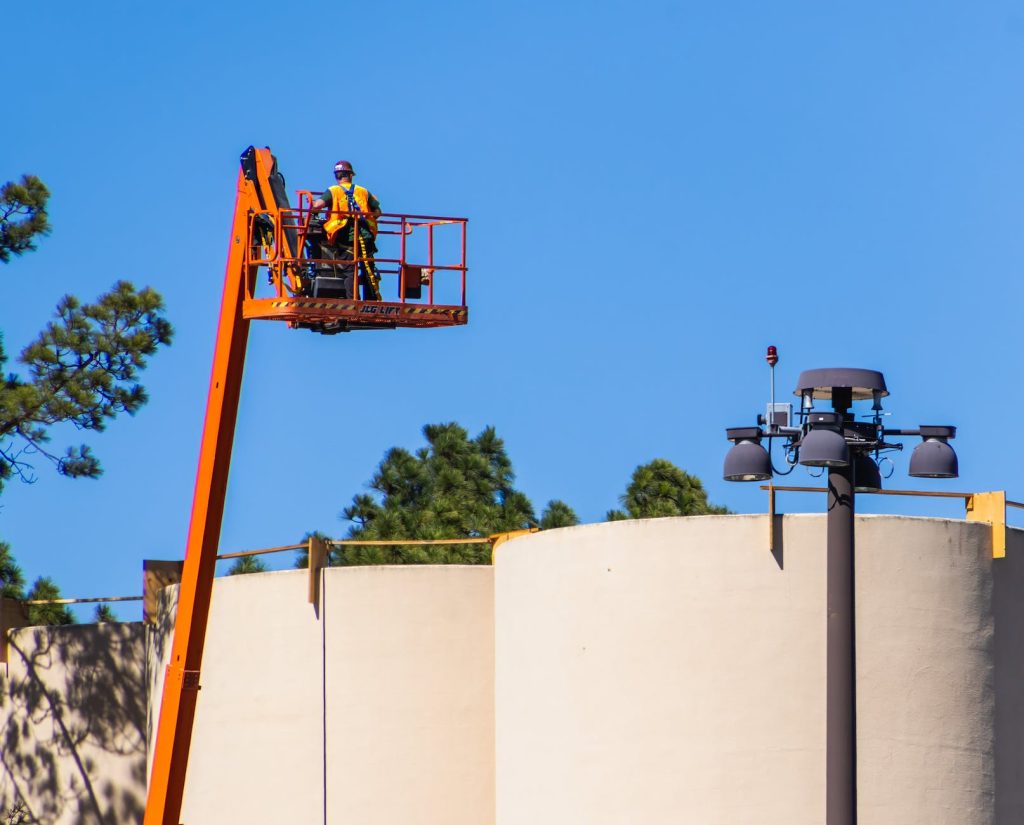
The International Powered Access Federation (IPAF) is the leading organisation for powered access training in the UK and around the world. IPAF training teaches operators how to safely use access equipment such as scissor lifts, cherry pickers, and boom lifts when working at height.
Upon successful completion of an IPAF course, operators receive a PAL Card, which demonstrates their competency and qualification to operate the relevant equipment.
What Does IPAF 3A Cover?
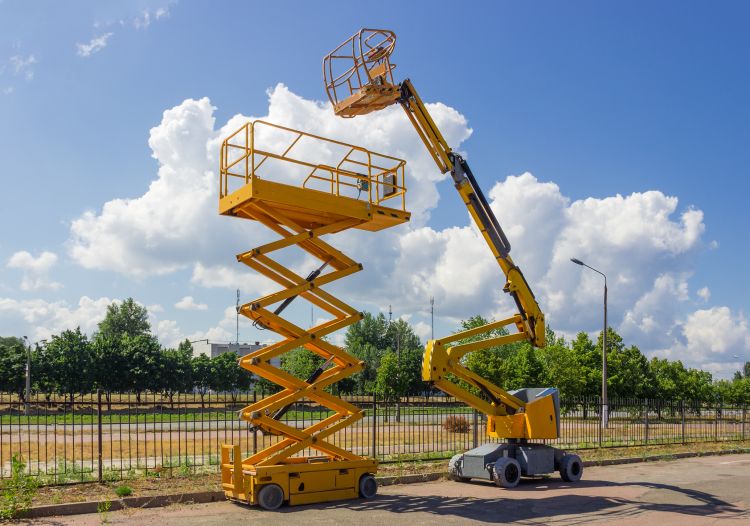
IPAF 3A training covers Mobile Vertical (MEWP) machines, commonly known as scissor lifts.
These machines provide vertical access only and are designed to raise workers straight up and down.
Examples of IPAF 3A equipment include:
- Electric scissor lifts
- Diesel scissor lifts
- Vertical personnel lifts
- Mobile vertical work platforms
Scissor lifts are commonly used in:
- Warehouses
- Distribution centres
- Construction sites
- Maintenance work
- Electrical installations
The IPAF 3A course teaches operators how to safely inspect, operate, manoeuvre and position these machines.
What Does IPAF 3B Cover?
IPAF 3B training covers Mobile Boom (MEWP) machines, often referred to as cherry pickers.
Unlike scissor lifts, boom lifts can extend both vertically and horizontally, allowing operators to reach areas that would otherwise be inaccessible.
Examples of IPAF 3B equipment include:
- Articulated boom lifts
- Telescopic boom lifts
- Self-propelled cherry pickers
- Mobile boom platforms
Boom lifts are commonly used for:
- Building maintenance
- Tree work
- Telecommunications
- Steel erection
- Roofing projects
- External construction work
The IPAF 3B course focuses on safe operation, hazard awareness, emergency procedures and working at height using boom-type access equipment.
IPAF 3A vs 3B: Key Differences
| IPAF 3A | IPAF 3B |
|---|---|
| Covers scissor lifts | Covers boom lifts and cherry pickers |
| Vertical movement only | Vertical and horizontal reach |
| Commonly used indoors | Often used outdoors |
| Simpler machine operation | More complex machine controls |
| Ideal for warehouse and maintenance work | Ideal for construction and access to difficult areas |
The main difference is that IPAF 3A machines travel vertically, while IPAF 3B machines can extend outward as well as upward.
Should You Take IPAF 3A or 3B Training?
The right course depends on the equipment you need to operate.
You should choose IPAF 3A if you only need to use scissor lifts and other vertical access platforms.
You should choose IPAF 3B if your work requires the use of cherry pickers or boom lifts.
Many employers choose to train operators in both categories, allowing them to operate a wider range of access equipment safely and legally.

Can You Take IPAF 3A and 3B Together?
Yes. Many training providers offer a combined IPAF 3A and 3B course.
Completing both categories can improve job opportunities and provide greater flexibility on construction sites where different types of access equipment are used.
For employers, dual-category training can help ensure workers are qualified to operate the most commonly used MEWPs.
How Long Does IPAF 3A and 3B Training Take?
Most combined IPAF 3A and 3B courses can be completed in a single day, depending on experience levels and course format.
Training typically includes:
- Classroom theory
- Safety awareness
- Pre-use inspections
- Practical machine operation
- Written assessment
- Practical assessment
Successful candidates receive their IPAF PAL Card, which is generally valid for five years.
Why Is IPAF Training Important?
Working at height remains one of the leading causes of workplace injuries and fatalities in the UK.
IPAF training helps operators:
- Work safely at height
- Reduce accidents and incidents
- Meet employer and site requirements
- Comply with health and safety regulations
- Improve confidence when using access equipment
Proper training also helps businesses demonstrate compliance with their duties under health and safety legislation.
Book IPAF Training with Evolve Plant Training
At Evolve Plant Training, we provide professional IPAF training courses for operators across Kent and the South East.
Whether you need IPAF 3A training, IPAF 3B training, or a combined course, our experienced instructors can help you gain the skills and certification required to operate access equipment safely and confidently.
Contact our team today to find out more about upcoming IPAF training courses.