
Earthmoving equipment plays an essential role in construction, civil engineering, agriculture, utilities, quarrying and many other industries. These powerful machines are used to excavate ground, move materials, prepare sites and complete tasks that would otherwise require considerable time and manual labour.
However, not every machine is suitable for every job. Excavators, dumpers, dozers and loading shovels are designed for different purposes, and operators must understand the capabilities and limitations of the equipment they use.

In this guide, we explain the main types of earthmoving equipment, what each machine is used for and why appropriate operator training is so important.
At Evolve Plant Training we help people get NPORS Accredited Across the UK, get in touch for more info.
What Is Earthmoving Equipment?
Earthmoving equipment is a broad term covering machinery designed to excavate, move, grade, compact or load soil and other materials.
These machines are commonly used for:
- Preparing construction sites
- Digging foundations and trenches
- Moving soil, rubble and aggregate
- Levelling and grading land
- Constructing roads and access routes
- Landscaping and land clearance
- Quarrying and mining
- Agricultural work
- Utility installation
- Demolition and site clearance
The right machine depends on the type of material being handled, the working environment, the size of the site and the task being completed.
360 Excavators
A 360 excavator is one of the most recognisable and versatile pieces of earthmoving equipment. The upper section of the machine can rotate through 360 degrees, allowing the operator to work in multiple directions without repositioning the tracks or wheels.
Excavators are fitted with a boom, dipper arm and attachment. A digging bucket is the most common attachment, although different attachments can be fitted depending on the task.
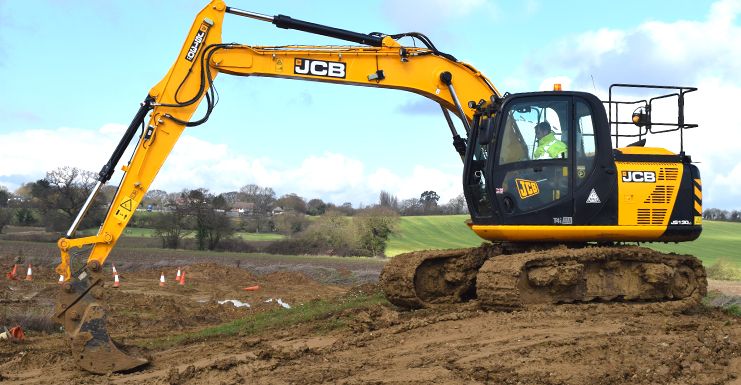
What are 360 excavators used for?
Typical applications include:
- Digging foundations
- Excavating trenches
- Removing soil and rubble
- Site clearance
- Demolition work
- Loading dumpers
- Grading land
- Lifting operations when appropriately configured
Excavators are available in a wide range of sizes, from compact machines used on restricted sites to large excavators designed for major construction, quarrying and civil engineering projects.
Mini Excavators Training
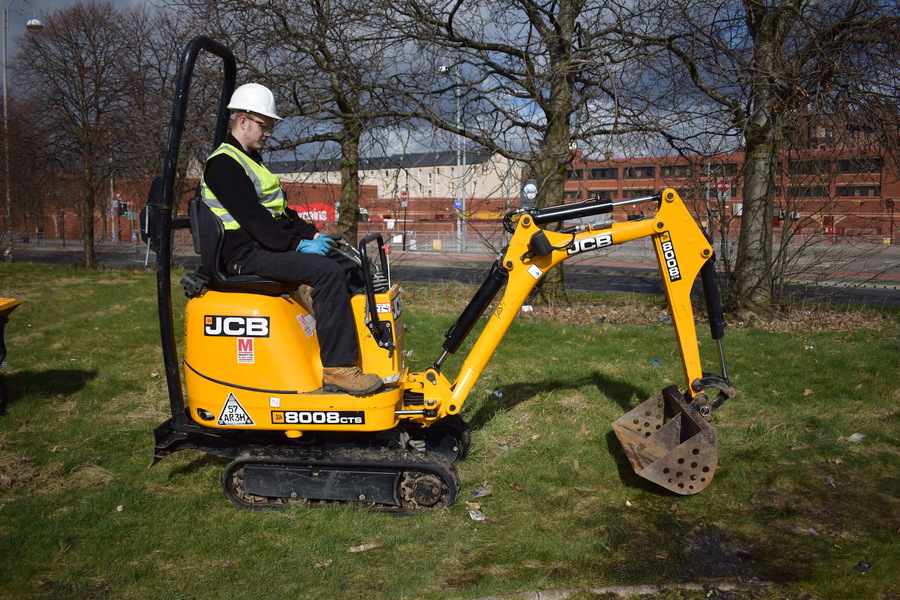
Mini excavators perform many of the same tasks as larger 360 excavators but have a smaller operating footprint. Their compact size makes them particularly useful where access or working space is limited.
They are commonly used for:
- Landscaping
- Garden excavation
- Small foundations
- Drainage work
- Utility trenches
- Domestic construction
- Work between buildings
- Projects with restricted access
Although mini excavators are smaller, they still require careful operation. Restricted spaces can introduce additional hazards, particularly when working near buildings, services, pedestrians or other equipment.
Forward-Tipping Dumpers Training
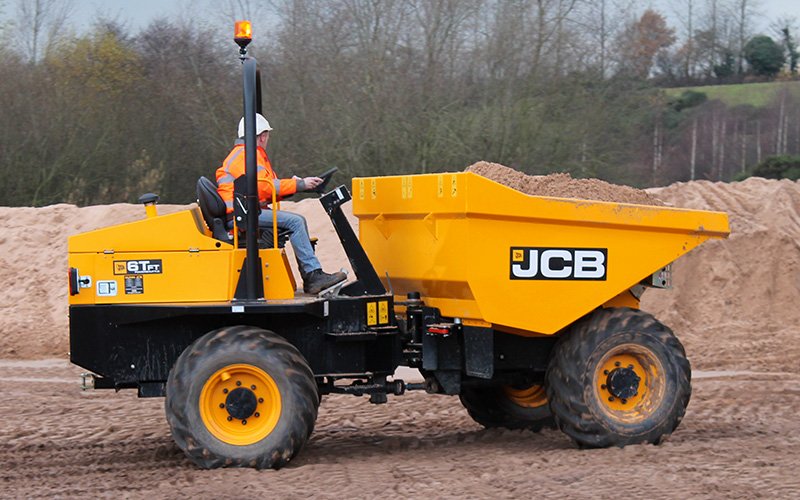
A forward-tipping dumper is designed to transport loose materials around a worksite. It has an open skip positioned at the front of the machine, which tips forward to discharge its load.
These machines are regularly used to carry:
- Soil
- Sand
- Gravel
- Aggregate
- Concrete
- Building waste
- Demolition material
Forward-tipping dumpers are particularly useful on construction and groundwork sites where material needs to be moved over relatively short distances.
Operators must understand the dumper’s rated capacity, site conditions and stability limitations. Uneven surfaces, slopes and overloaded skips can significantly increase the risk of overturning.
Rear-Tipping Dumpers Training
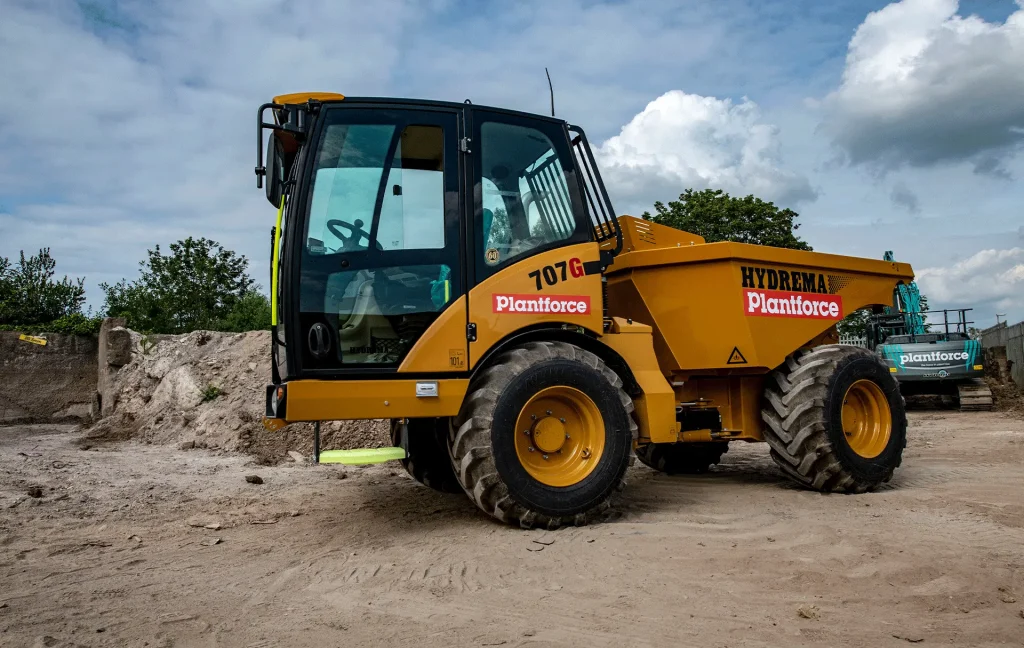
Rear-tipping dumpers are larger vehicles that discharge material from the back of the body. They are often used on major construction sites, quarries and large earthmoving projects.
Compared with smaller forward-tipping dumpers, rear-tipping dumpers can transport larger volumes of material across greater distances.
Common applications include:
- Quarry operations
- Road construction
- Large-scale excavation
- Mining
- Major infrastructure projects
- Transporting spoil and aggregate
Operators must be aware of surrounding workers, overhead obstructions, ground conditions and the stability of the unloading area before tipping a load.
Bulldozer Training
A bulldozer, often simply called a dozer, is a powerful tracked machine fitted with a large blade at the front.
Dozers are designed to push substantial quantities of soil, rubble and other material. Their tracks provide traction and distribute the machine’s weight across the ground, making them suitable for demanding site conditions.
Bulldozers are commonly used for:
- Clearing land
- Pushing soil and rubble
- Rough grading
- Preparing access roads
- Spreading materials
- Removing surface layers
- Site preparation
- Backfilling excavations
Some dozers are also fitted with a ripper at the rear. This can be used to break up hard ground before it is moved or excavated.
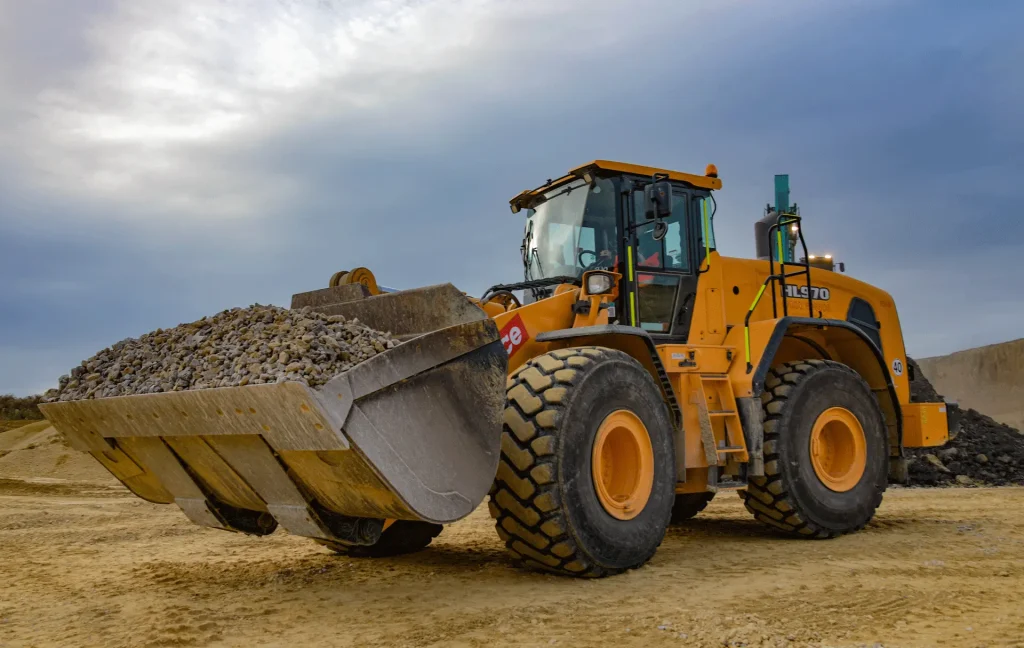
Loading Shovels Training
A loading shovel has a large bucket mounted at the front of the machine. It is primarily used to scoop, move and load loose material.
Loading shovels can be wheeled or tracked. Wheeled models offer good mobility across suitable surfaces, while tracked machines can provide improved traction in more challenging conditions.
Typical uses include:
- Loading lorries and dumpers
- Moving aggregate
- Handling soil and sand
- Stockpile management
- Waste and recycling operations
- Quarry work
- Agriculture
- Site clearance
The size and capacity of the bucket must be suitable for the material being handled. Operators also need to maintain visibility and machine stability when travelling with a load.
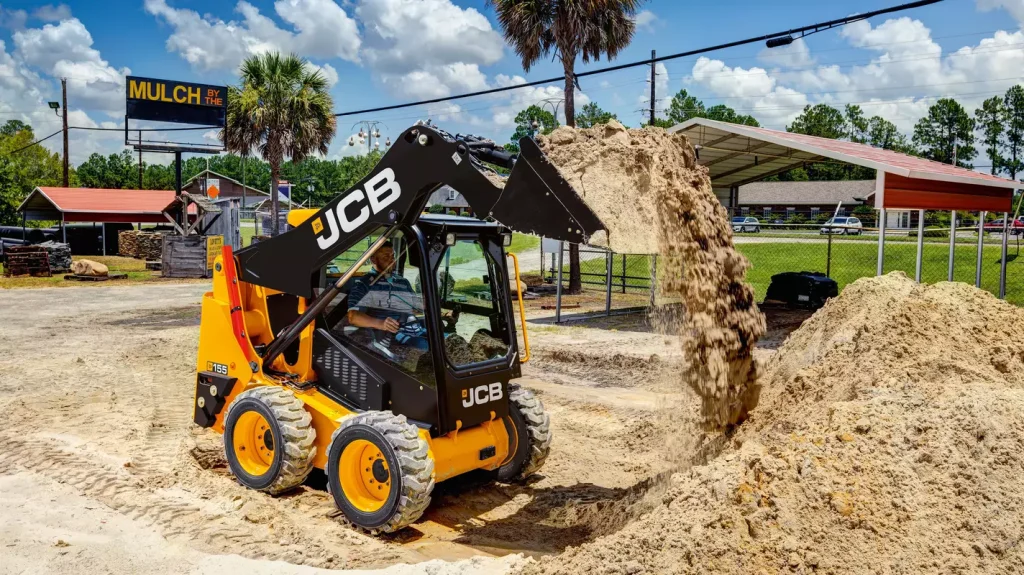
Skid-Steer Loaders Training
A skid-steer loader is a compact machine that can turn within a very small area. Its manoeuvrability makes it useful on sites where space is restricted.
Different attachments can be fitted to a skid-steer loader, allowing it to complete a variety of jobs.
Common uses include:
- Moving loose materials
- Site clearance
- Landscaping
- Ground preparation
- Loading
- Sweeping
- Breaking up surfaces
- Snow clearance
Their compact design makes skid-steer loaders versatile, but it can also create blind spots. Operators must pay close attention to nearby people, structures and equipment.
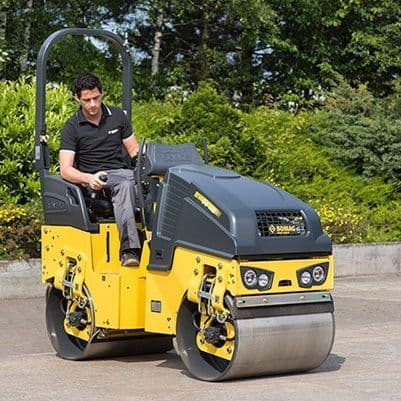
Ride-on Rollers Training
Ride-on rollers are used to compact soil, stone, asphalt and other materials. Compaction helps create a stable and even surface that can support roads, buildings and other structures.
Rollers are commonly used for:
- Road construction
- Car parks
- Building foundations
- Pathways
- Ground preparation
- Landscaping
- Compacting backfilled trenches
Different rollers are designed for different materials and applications. Operators must understand the required number of passes, appropriate operating speed and how ground conditions may affect stability.
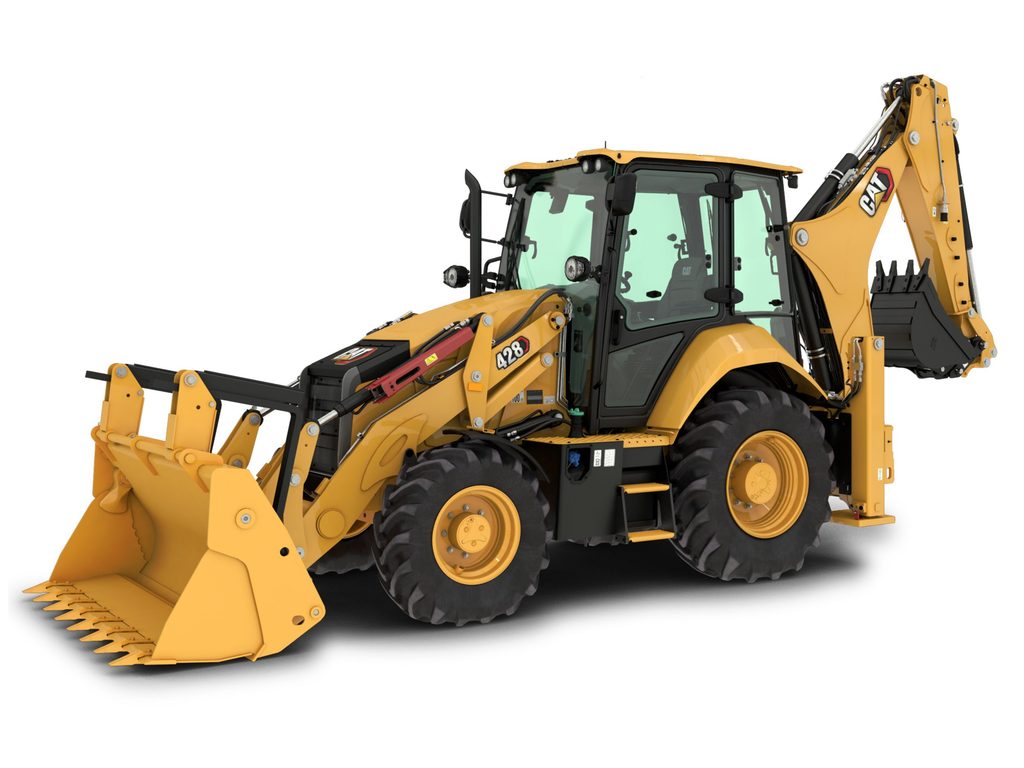
Backhoe Loaders
A backhoe loader combines features of an excavator and a loading shovel. It normally has a loader bucket at the front and an excavating arm at the rear.
This makes it useful for projects where several different tasks need to be completed without bringing multiple machines onto the site.
Backhoe loaders can be used for:
- Digging trenches
- Loading materials
- Small excavations
- Backfilling
- Site clearance
- Utility work
- Road maintenance
Their versatility makes them popular for smaller construction and civil engineering projects.
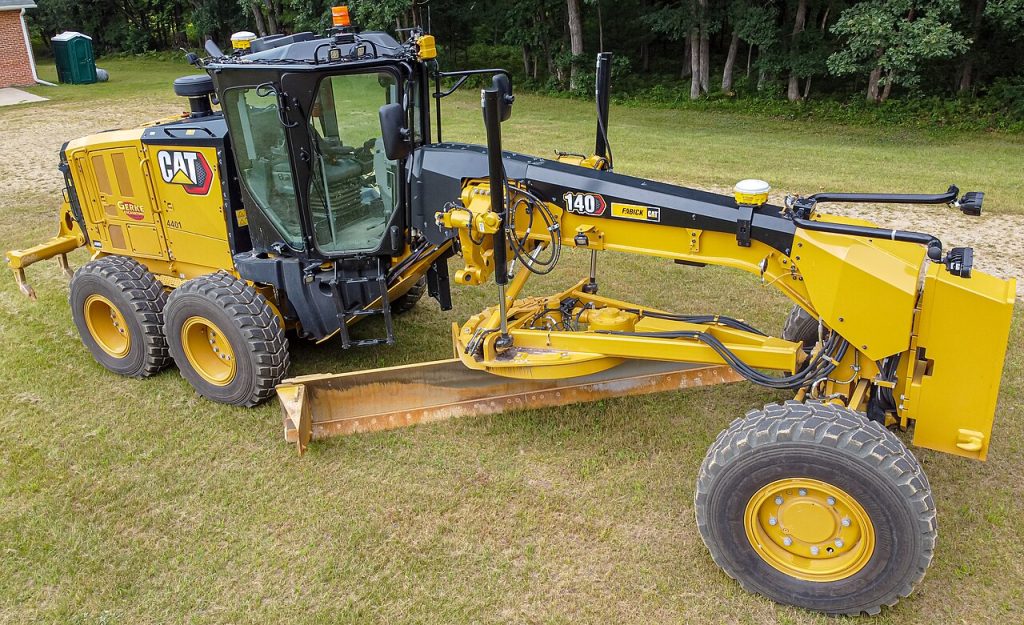
Motor Graders Training
Motor graders are designed to create smooth, accurately graded surfaces. They feature a long adjustable blade positioned between the front and rear wheels.
Graders are frequently used for:
- Road construction
- Levelling sub-bases
- Preparing surfaces before paving
- Maintaining unpaved roads
- Creating slopes and drainage channels
- Spreading materials evenly
Operating a grader accurately requires an understanding of machine controls, blade positioning and the required ground profile.
Telehandlers
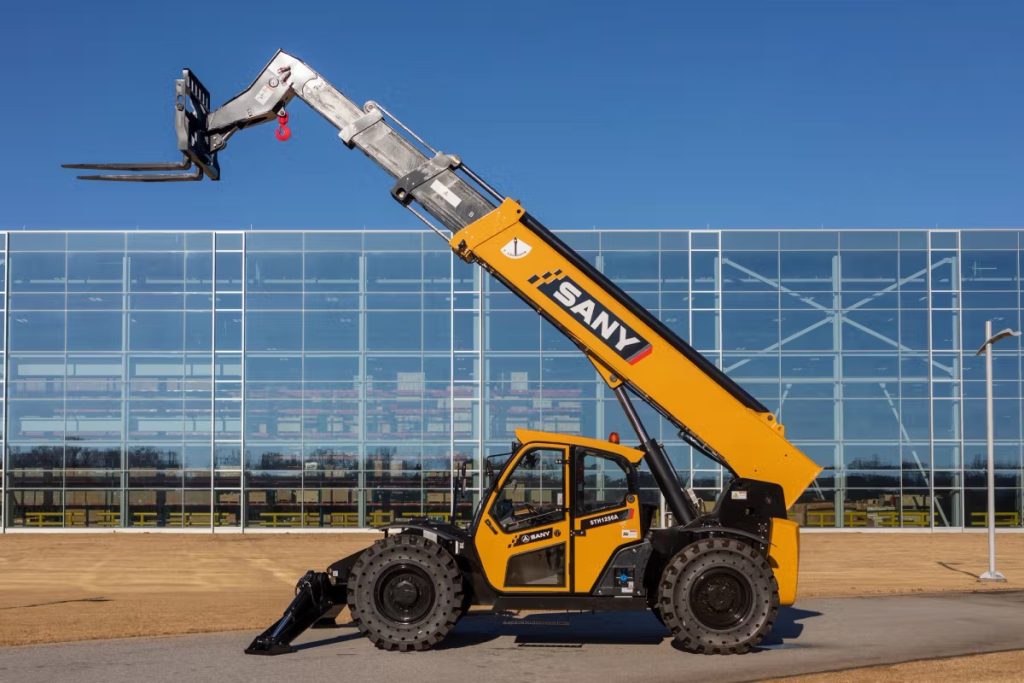
A telehandler, or telescopic handler, is primarily a lifting and material-handling machine. However, it is frequently used alongside earthmoving equipment on construction and agricultural sites.
Its extending boom can be fitted with forks, buckets and other compatible attachments.
Telehandlers are commonly used for:
- Moving palletised materials
- Loading and unloading
- Placing materials at height
- Agricultural work
- Handling bulk materials with an appropriate bucket
- Supporting construction operations
The machine’s lifting capacity changes depending on boom extension, height and load position. Operators must understand the machine’s load chart and limitations before lifting or transporting materials.
How Do You Choose the Right Earthmoving Machine?
Choosing suitable equipment requires more than selecting the largest or most powerful machine available.
Important considerations include:
- The task being completed
- The type and volume of material
- Site access
- Ground conditions
- Working space
- Excavation depth
- Required lifting or loading capacity
- Nearby buildings, services and people
- Suitable attachments
- Operator competence
Using equipment that is unsuitable for the task can reduce efficiency and increase the risk of damage, instability or injury.
A proper assessment of the work and site should therefore be completed before selecting machinery.
Why Is Earthmoving Equipment Training Important?
Earthmoving machinery can create serious risks when it is operated incorrectly. Even experienced operators may need additional training when using an unfamiliar machine, attachment or control system.
Appropriate training helps operators understand:
- Pre-use inspections
- Machine controls
- Safe operating procedures
- Equipment limitations
- Stability and overturning risks
- Safe loading and unloading
- Working on slopes
- Exclusion zones
- Blind spots
- Relevant warning systems
- Working around other machinery
- Shutdown and securing procedures
Training should include both theoretical knowledge and practical instruction relevant to the equipment being used. Looking for information regarding NPORS Training Courses Across the UK, get in touch with us now.
Does Every Machine Require Different Training?
Many of the fundamental safety principles apply across different types of plant machinery. However, being competent on one machine does not automatically make someone competent to operate another.
A 360 excavator, forward-tipping dumper and loading shovel have different controls, capabilities, hazards and operating techniques. Operators should receive suitable training and assessment for the specific category of equipment they are expected to use.
Additional instruction may also be necessary when an operator moves to a substantially different machine, attachment or working environment.
Earthmoving Equipment Training Across the UK
Evolve Plant Training provides accredited plant operator training and assessments across the UK. Training is available across a range of earthmoving equipment categories for new and experienced operators.
Courses are designed to help candidates develop the knowledge and practical skills required to operate machinery safely and competently.
Training requirements can vary according to the equipment, the operator’s experience and the working environment. Evolve Plant Training can discuss your requirements and help identify the appropriate training or assessment route.
Frequently Asked Questions
What is the most common type of earthmoving equipment?
Excavators are among the most frequently used earthmoving machines because they can complete a wide range of digging, loading and site-preparation tasks. Dumpers, loading shovels, dozers and rollers are also widely used.
Is a telehandler classed as earthmoving equipment?
A telehandler is primarily classed as material-handling and lifting equipment. However, it is commonly used alongside earthmoving machinery and can handle loose materials when fitted with a suitable attachment.
What is the difference between an excavator and a backhoe loader?
An excavator has a rotating upper structure and is primarily designed for excavation. A backhoe loader combines a rear excavating arm with a front loader bucket but does not normally offer the same full rotation as a 360 excavator.
What equipment is used to move soil?
Excavators can dig and load soil, while dumpers transport it around or away from a worksite. Dozers and loading shovels can also push, spread or load soil depending on the task.
What equipment is used to level ground?
Dozers and motor graders are commonly used to level and grade ground. Rollers may then be used to compact the prepared surface.
Do earthmoving equipment operators need training?
Operators should receive appropriate training and instruction for the machinery they are expected to use. The required route can depend on the equipment, employer, site and operator’s existing experience.
Can earthmoving equipment training be delivered on-site?
Depending on the course and available facilities, training may be delivered at a customer’s site using suitable equipment and a safe training area. The requirements should be discussed with the training provider before booking.